

TREATING CIDP
BEYOND A SINGLE
TARGETED APPROACH1,2
Summary of MOD/MOA
Multifaceted mechanism of disease
CIDP is a complex disease believed to have multiple underlying drivers, which may contribute to a proinflammatory environment3-5
These drivers can include:
INCREASED
T cell activation6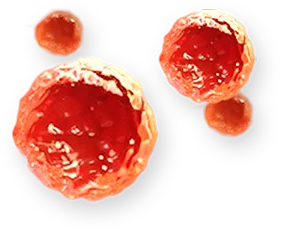
Activation of both helper T cells and killer T cells may be increased, which contributes to inflammation
AMPLIFIED
B cells7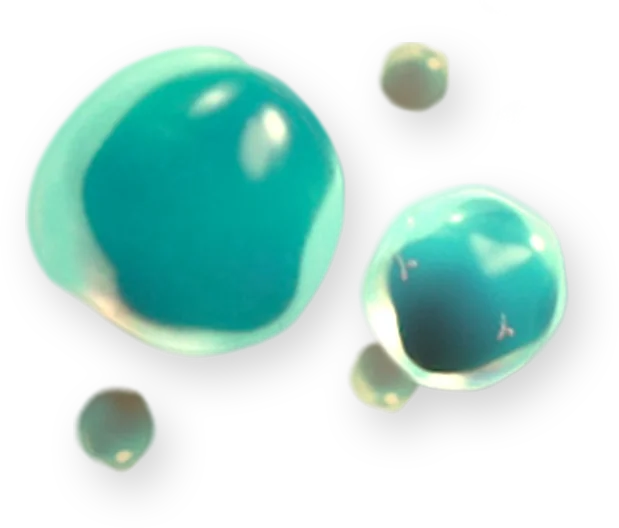
Activated B cells may produce autoantibodies, unchecked by usual immune-system controls
INCREASED
Pathogenic autoantibodies1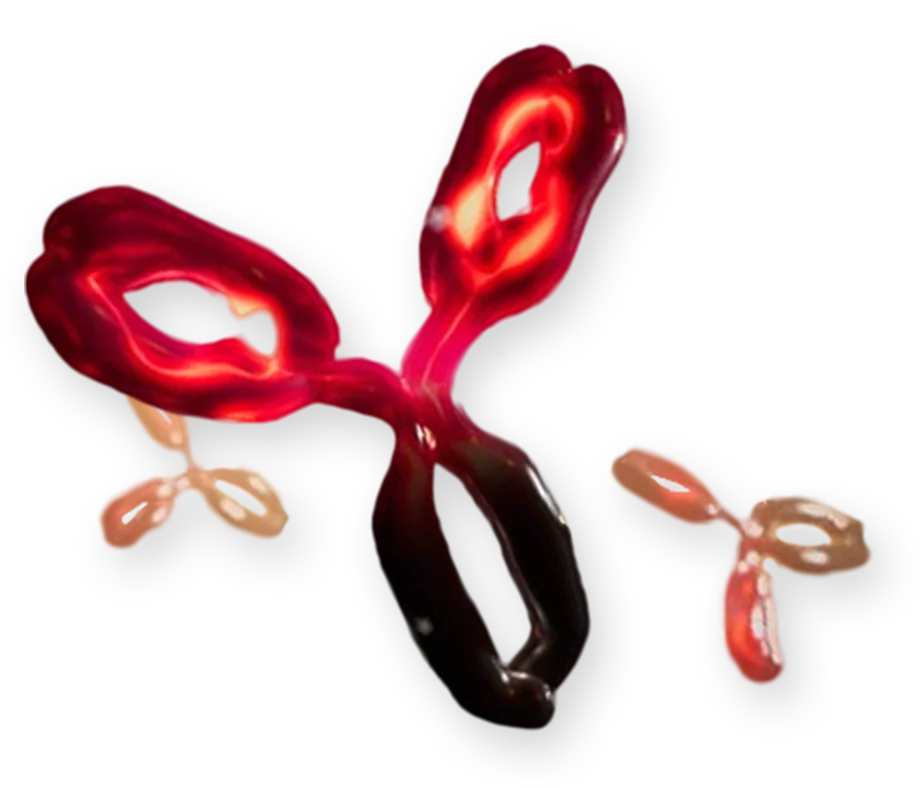
The proliferation of pathogenic autoantibodies may contribute to demyelination and axonal damage
ACTIVATED
Complement system5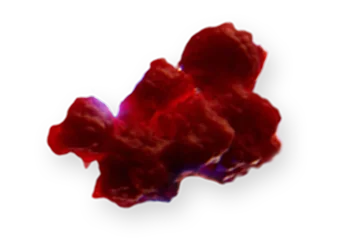
Increased complement activation may promote macrophage-mediated and/or MAC-mediated demyelination of nerves
Comprehensive mechanism of action1,2*
Ig therapy is postulated to address multiple pathogenic pathways1,2
Ig therapy works beyond FcRn antagonism alone1,2
INHIBITS
Activated T cells8
Inhibits activated T cell function by altering cytokine production and impairing antigen recognition
MODULATES
B cells1,9-11
- Blocks production of autoantibodies through FcγR antagonism
- Decreases B cell–activating factor levels
REDUCES
Pathogenic autoantibodies1,9-11
Reduces autoantibodies by binding to and neutralizing them, and increases their catabolism via FcRn saturation
INHIBITS
Complement activation1,4,12,13
Inhibits and dampens complement activation and formation of MAC, decreasing inflammation and demyelination
Differences in the clinical presentation of CIDP and a wide range of responses suggest a variety of mechanisms are at play.1,4,14
- lg activity involves both the Fc constant and Fab variable regions
- Ig therapy reduces or prevents further nerve damage without suppressing the immune system by inducing a range of mechanisms thought to help inhibit and block the pathogenic effects of demyelination
*The MOAs have not been fully elucidated but may include immunomodulatory effects.
Interactive MOA Tool
SCIg therapy is a cornerstone of treatment for CIDP15
Click on the labels below to learn more.
Overview
B Cells

T Cells

FC Receptors

Proinflammatory Cytokines
Autoantibodies
Complement System
Macrophages

Pathways Modulated by Ig


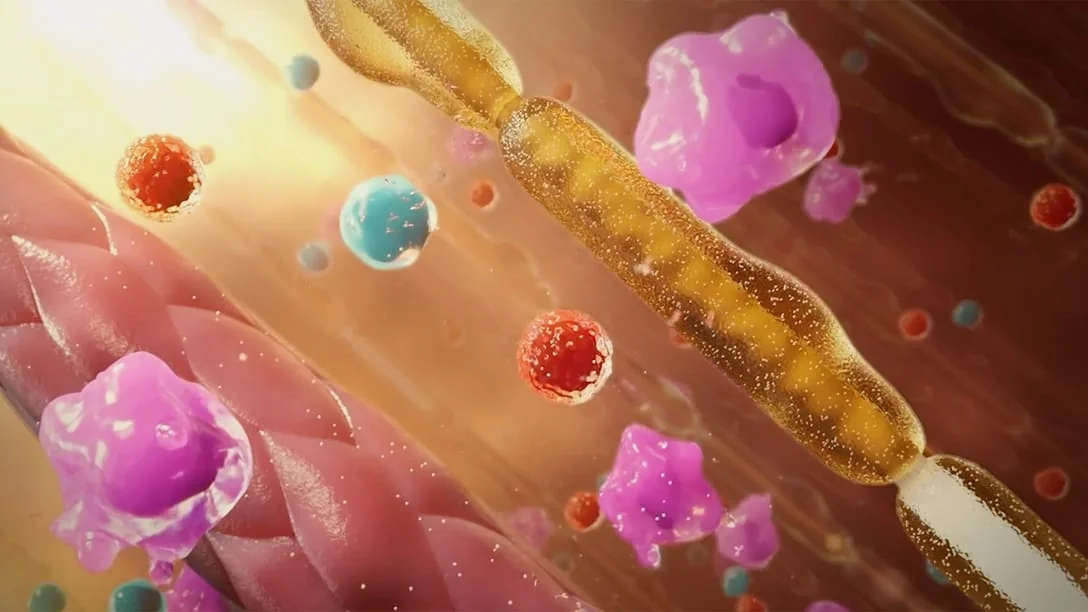
See the Ig MOA come to life
Watch this video to see the dynamic action of Ig in CIDP†
†Hizentra supplies a broad spectrum of opsonizing and neutralizing IgG antibodies against a wide variety of bacterial and viral agents. The mechanism of action of Ig has not been fully elucidated but may include immunomodulatory effects.
Abbreviations: CIDP, chronic inflammatory demyelinating polyneuropathy; Fab, fragment antigen-binding, Fc, fragment crystallizable; FcRn, neonatal Fc receptor; FcγR, Fc gamma receptor; Ig, immunoglobulin; MAC, membrane attack complex; MOA, mechanism of action; MOD, mechanism of disease.
References: 1. Schwab I, Nimmerjahn F. Nat Rev Immunol. 2013;13(3):176-189. doi:10.1038/nri3401 2. Dalakas MC, Latov N, Kuitwaard K. Expert Rev Neurother. 2022;22(11-12):953-962. doi:10.1080/14737175.2022.2169134 3. Dalakas MC. Nat Rev Neurol. 2011;7(9):507-517. doi:10.1038/nrneurol.2011.121 4. Querol L, Lleixà C. Neurotherapeutics. 2021;18(4):2222-2235. doi:10.1007/s13311-021-01117-3 5. Querol LA, Hartung HP, Lewis RA, et al. Neurotherapeutics. 2022;19(3):864-873. doi:10.1007/s13311-022-01221-y 6. Goswami TK, Singh M, Dhawan M, et al. Hum Vaccin Immunother. 2022;18(1):2035117. doi:10.1080/21645515.2022.2035117 7. Tackenberg B, Nimmerjahn F, Lünemann JD. J Clin Immunol. 2010;30 Suppl 1:S65-S69. doi:10.1007/s10875-010-9398-1 8. Velikova T, Sekulovski M, Bogdanova S, et al. Antibodies (Basel). 2023;12(1):20. doi:10.3390/antib12010020 9. Dalakas MC. Neurotherapeutics. 2021;18(4):2397-2418. doi:10.1007/s13311-021-01108-4 10. Ritter C, Bobylev I, Lehmann HC. J Neuroinflammation. 2015;12:148. doi:10.1186/s12974-015-0361-1 11. Allen JA, Kuitwaard K, Berger M, Querol L, Hadden RD. J Peripher Nerv Syst. 2018;23(2):68-80. doi:10.1111/jns.12262 12. Lutz HU, Späth PJ. Clin Rev Allergy Immunol. 2005;29(3):207-212. doi:10.1385/CRIAI:29:3:207 13. Mahdi-Rogers M, Rajabally YA. Biologics. 2010;23:78-87. doi:10.2147/btt.s4881 14. Mathey EK, Park SB, Hughes RA, et al. J Neurol Neurosurg Psychiatry. 2015;86(9):973-985. doi:10.1136/jnnp-2074-309697 15. Van den Bergh PYK, van Doorn PA, Hadden RDM, et al. Eur J Neurol. 2021;28(11):3556-3583. doi:10.1111/ene.14959
IMPORTANT SAFETY INFORMATION
WARNING: Thrombosis may occur with immune globulin products, including Hizentra. Risk factors may include: advanced age, prolonged immobilization, hypercoagulable conditions, history of venous or arterial thrombosis, use of estrogens, indwelling vascular catheters, hyperviscosity, and cardiovascular risk factors.
For patients at risk of thrombosis, administer Hizentra at the minimum dose and infusion rate practicable. Ensure adequate hydration in patients before administration. Monitor for signs and symptoms of thrombosis and assess blood viscosity in patients at risk for hyperviscosity.
Hizentra is contraindicated in patients with a history of anaphylactic or severe systemic reaction to human immune globulin (Ig) or components of Hizentra (eg, polysorbate 80), as well as in patients with immunoglobulin A deficiency with antibodies against IgA and a history of hypersensitivity. Because Hizentra contains L-proline as stabilizer, use in patients with hyperprolinemia is contraindicated.
IgA-deficient patients with anti-IgA antibodies are at greater risk of severe hypersensitivity and anaphylactic reactions. Thrombosis may occur following treatment with Ig products, including Hizentra.
Monitor patients for aseptic meningitis syndrome (AMS), which may occur following treatment with Ig products, including Hizentra. In patients at risk of acute renal failure, monitor renal function, including blood urea nitrogen, serum creatinine and urine output. In addition, monitor patients for clinical signs of hemolysis or pulmonary adverse reactions (eg, transfusion-related acute lung injury [TRALI]).
Hizentra is derived from human blood. The risk of transmission of infectious agents, including viruses and, theoretically, the Creutzfeldt-Jakob disease (CJD) agent and its variant (vCJD), cannot be completely eliminated.
The most common adverse reactions (observed in ≥5% of study subjects) were local infusion-site reactions, as well as headache, diarrhea, fatigue, back pain, nausea, extremity pain, cough, upper respiratory tract infection, rash, pruritus, vomiting, upper abdominal pain, migraine, arthralgia, pain, fall, and nasopharyngitis.
The passive transfer of antibodies can interfere with response to live virus vaccines and lead to misinterpretation of serologic test results.
Indications
Hizentra®, Immune Globulin Subcutaneous (Human), 20% Liquid, is indicated for:
- Treatment of primary immunodeficiency (PI) in adults and pediatric patients 2 years and older.
- Maintenance therapy in adults with chronic inflammatory demyelinating polyneuropathy (CIDP) to prevent relapse of neuromuscular disability and impairment.
- Limitation of Use: Maintenance therapy in CIDP has been systematically studied for 6 months and for a further 12 months in a follow-up study. Continued maintenance beyond these periods should be individualized based on patient response and need for continued therapy.
For subcutaneous infusion only.
Please see full Prescribing Information for Hizentra including boxed warning.
To report SUSPECTED ADVERSE REACTIONS, contact the CSL Behring Pharmacovigilance Department at 1-866-915-6958 or FDA at 1-800-FDA-1088 or www.fda.gov/medwatch.

Hizentra is manufactured by CSL Behring AG and distributed by CSL Behring LLC.
Hizentra® is a registered trademark of CSL Behring AG.
Hizentra Connect℠ is a service mark of CSL Behring LLC.